
The Dark Souls series is famous not only for its punishing difficulty, but also for its unconventional storytelling. Unlike most games that rely on lengthy cutscenes, dialogue-heavy exposition, or clear narrative objectives, Dark Souls tells its story in fragments. The lore is vague, hidden, and often ambiguous—yet this very approach is what makes the story so deeply captivating. But why does this method work so well, and why has it left such a lasting impact on players?
A Story That Respects Player Intelligence
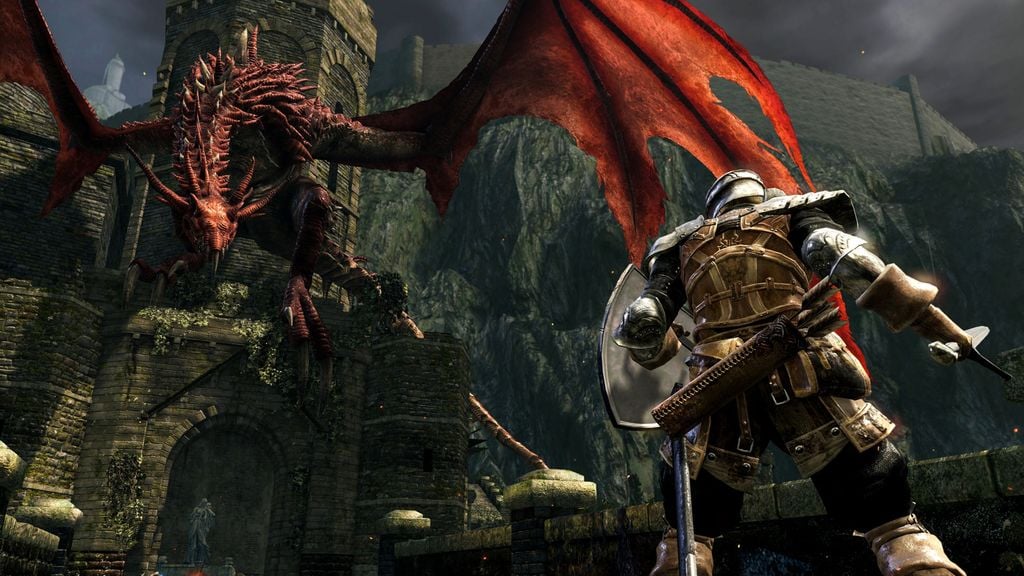
One of the main reasons Dark Souls’ narrative is so compelling is that it refuses to explain everything. The game trusts players to observe, interpret, and connect the dots themselves. Lore is scattered across item descriptions, environmental details, enemy placement, and cryptic NPC dialogue.
This design choice makes players active participants in storytelling rather than passive listeners. Instead of being told what happened, players discover the truth gradually. This sense of intellectual engagement creates a deeper emotional connection to the world of Lordran.
Mystery as a Core Theme
Vagueness is not a flaw in Dark Souls—it is a deliberate artistic choice that aligns perfectly with the game’s themes. The world is ancient, broken, and decaying. Knowledge has been lost over time, and even the gods are unreliable narrators.
By keeping the story unclear, the game mirrors the confusion and uncertainty of its characters. Players feel like wanderers in a forgotten land, uncovering echoes of past glory rather than clear historical records. This mystery fuels curiosity and encourages exploration beyond surface-level gameplay.
Environmental Storytelling Over Dialogue
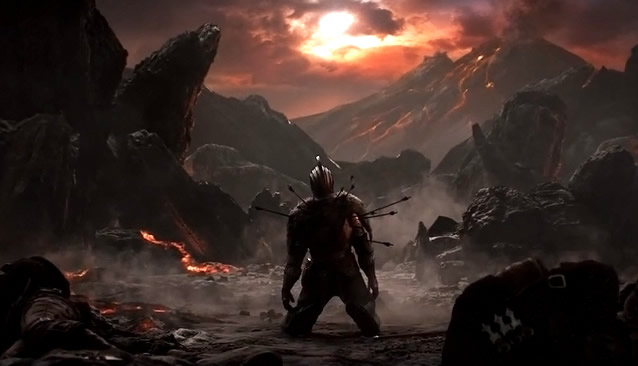
Dark Souls excels at environmental storytelling. The layout of areas, ruined architecture, and enemy design all communicate narrative without words. For example, the contrast between the radiant beauty of Anor Londo and the despair of Blighttown tells a story of fallen civilizations and hidden corruption.
Instead of spelling out lore through exposition, the world itself becomes the storyteller. Players who pay attention to visual cues are rewarded with a richer understanding of the game’s history and themes.
Item Descriptions as Lore Fragments
One of the most iconic aspects of Dark Souls storytelling is the use of item descriptions. Weapons, armor, rings, and even consumables often contain small pieces of lore—sometimes only a sentence or two.
Individually, these descriptions may seem insignificant. But when combined, they form a complex narrative puzzle. This fragmented approach invites theory-crafting and community discussion, extending the game’s life far beyond the screen. Entire fan communities exist solely to analyze and interpret Dark Souls lore.
Ambiguity Creates Emotional Depth
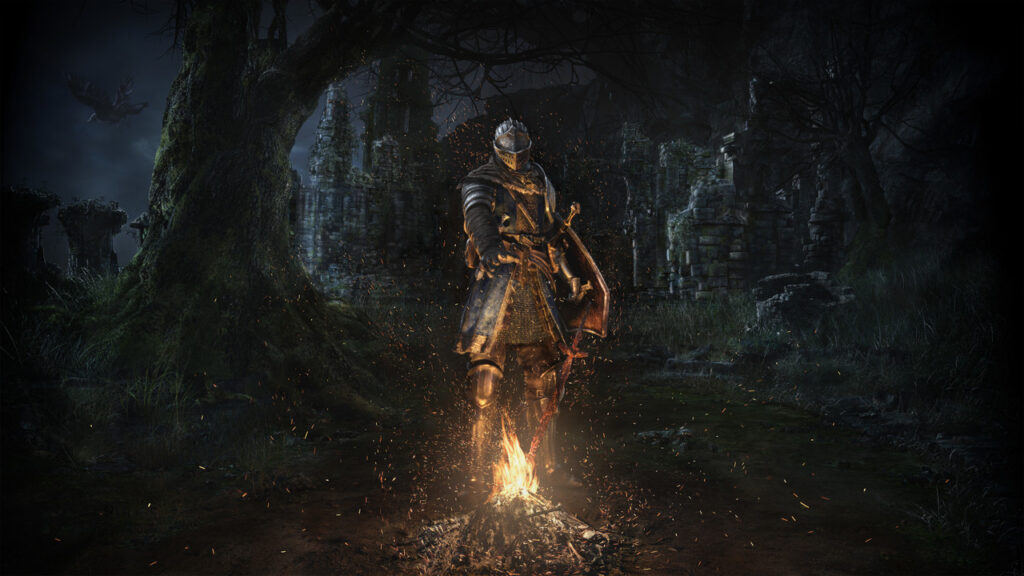
Because the story is not explicitly defined, players project their own interpretations onto the narrative. Characters like Gwyn, Artorias, or the Chosen Undead are not clearly labeled as heroes or villains. Their motivations remain morally ambiguous.
This lack of clear answers allows for emotional depth. Players are free to decide whether linking the fire is a noble sacrifice or a tragic cycle of stagnation. The story becomes personal, shaped by individual perspective rather than a fixed narrative.
NPCs as Unreliable Storytellers
NPCs in Dark Souls rarely provide full explanations. Their dialogue is often cryptic, incomplete, or influenced by madness and despair. This reinforces the idea that truth in Dark Souls is fragmented and subjective.
Rather than serving as guides, NPCs feel like fellow survivors—each with limited understanding of the world. This makes interactions feel more grounded and tragic, emphasizing isolation and decay.
Encouraging Community and Discussion
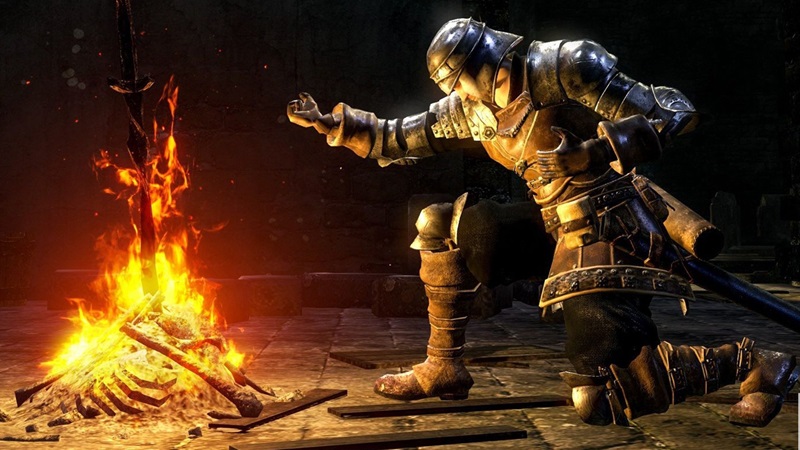
One of the most powerful effects of Dark Souls’ vague storytelling is how it brings players together. Because the game does not offer definitive answers, fans collaborate to uncover lore through discussion, videos, and theories.
This shared effort transforms storytelling into a communal experience. The mystery doesn’t end when the credits roll—it continues through interpretation and debate, keeping the world of Dark Souls alive for years.
A Narrative That Matches the Gameplay Philosophy
Just as combat in Dark Souls demands patience, observation, and learning from failure, the story follows the same philosophy. Nothing is handed to the player easily. Understanding the lore requires effort, curiosity, and persistence.
This harmony between gameplay and narrative design is rare. The vague storytelling feels intentional, cohesive, and deeply integrated into the overall experience.
Final Thoughts
Dark Souls tells its story in a vague yet captivating way because mystery, ambiguity, and discovery are central to its identity. By trusting players to uncover meaning on their own, the game creates a narrative experience that is personal, haunting, and unforgettable.
👉 If the dark world of Dark Souls and its cryptic lore have left a lasting mark on you, explore Dark Souls–inspired merchandise, collectibles, and apparel at: darksoulsmerch.co.uk. Carry a piece of this legendary universe with you and celebrate a story that continues to inspire discussion and devotion worldwide.
