
One of the most praised and distinctive aspects of Dark Souls is its interconnected world design. Unlike many modern games that rely on fast travel, quest markers, and segmented maps, Dark Souls presents a tightly woven world where locations flow naturally into one another. This design choice not only shapes how players explore the game but also deeply influences its atmosphere, storytelling, and difficulty. So what exactly makes the interconnected map of Dark Souls so special?
A World That Feels Real and Cohesive
From the moment players step into Lordran, they are dropped into a world that feels like a single, living structure rather than a collection of levels. Areas such as Undead Burg, Parish, Blighttown, and Firelink Shrine are all physically connected, often through shortcuts that loop back on themselves.
This design creates a sense of realism and spatial awareness. Players begin to understand the geography of the world intuitively—where locations sit in relation to one another, how high or deep they are, and how dangerous each path can be. The world feels hand-crafted rather than procedurally stitched together.
Exploration Is Earned, Not Given
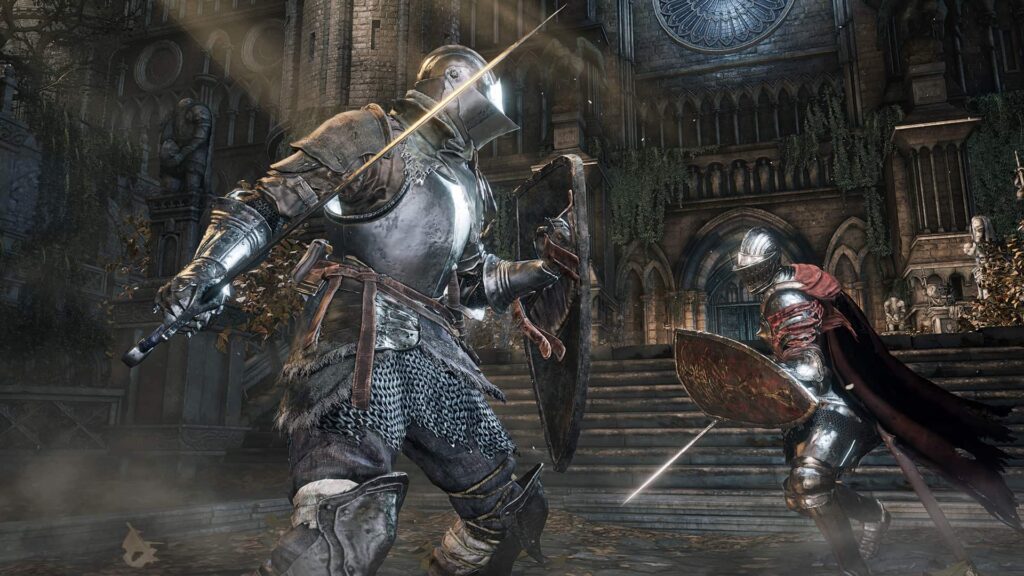
In Dark Souls, exploration is not guided by minimaps or glowing objectives. Instead, it is driven by player curiosity, memory, and risk-taking. The interconnected map rewards those who pay attention to their surroundings and experiment with different routes.
Unlocking a shortcut that leads back to a bonfire after a long, dangerous journey feels like a genuine achievement. These moments create relief, satisfaction, and emotional payoff that fast travel systems often remove. The world design itself becomes part of the game’s challenge.
Shortcuts as Emotional Rewards
One of the most iconic experiences in Dark Souls is opening a door or lowering a ladder and realizing it connects back to a familiar area. These shortcuts are more than just conveniences—they are emotional rewards.
They reduce tension, provide safety, and reinforce the player’s understanding of the world. Importantly, shortcuts also encourage confidence. Players begin to feel mastery over the environment, which contrasts sharply with the fear and uncertainty they felt when first entering a new zone.
Limited Fast Travel Enhances Immersion

In the early stages of Dark Souls, fast travel is intentionally restricted. This forces players to traverse the world on foot, learning enemy placements, terrain hazards, and efficient routes. While this may feel punishing at first, it strengthens immersion and connection to the world.
By the time fast travel is unlocked later in the game, players already possess a mental map of Lordran. Travel then becomes a strategic choice rather than a crutch, preserving the impact of exploration while reducing unnecessary backtracking.
Environmental Storytelling Through Layout
The interconnected design also plays a crucial role in Dark Souls’ environmental storytelling. The placement of areas often reflects the game’s lore. For example, the descent from the grandeur of Anor Londo into the filth of Blighttown mirrors the fall of civilization and the corruption beneath the surface.
Without relying heavily on dialogue or cutscenes, the world itself tells a story. Verticality, decay, and isolation are communicated through architecture and geography, allowing players to piece together lore organically.
Risk, Reward, and Route Choice
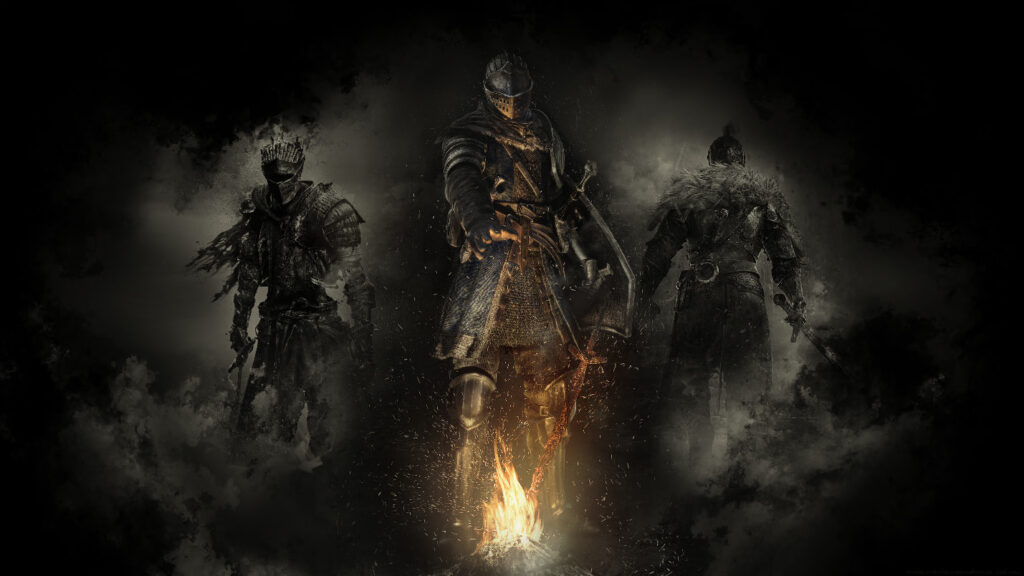
Because areas are connected in multiple ways, players are often given choices about which path to take. Some routes are shorter but more dangerous, while others are safer but longer. This reinforces Dark Souls’ core philosophy of risk versus reward.
Choosing a path is rarely just about progression—it’s about survival. A wrong turn can lead to overwhelming enemies, while a clever shortcut can save precious resources and souls. The map design actively shapes player behavior and decision-making.
Influence on Game Design Legacy
The success of Dark Souls’ interconnected world has influenced countless games across genres. Many developers now aim to recreate that sense of cohesion and discovery, but few achieve the same balance of challenge, mystery, and elegance.
What sets Dark Souls apart is how seamlessly its world design supports its themes: perseverance, isolation, and gradual mastery. The map is not just a setting—it is an active participant in the player’s journey.
Final Thoughts
The interconnected map design of Dark Souls is special because it transforms exploration into an emotional, strategic, and narrative experience. By rewarding observation, patience, and courage, the world itself becomes one of the game’s greatest challenges and achievements.
👉 If Dark Souls’ unforgettable world left a lasting impression on you, explore Dark Souls–inspired merchandise, collectibles, and apparel at: darksoulsmerch.co.uk. Carry a piece of Lordran with you and celebrate the legacy of one of the most brilliantly designed worlds in gaming history.
