At the heart of the Dark Souls series lies one of the most haunting and philosophical concepts in modern gaming: the Cycle of Fire. More than just a plot device, this endless cycle defines the world’s history, its characters, and the player’s ultimate choices. Understanding how the Cycle of Fire shapes Dark Souls reveals why the series feels so tragic, mysterious, and unforgettable.
The First Flame and the Birth of the World
The Cycle of Fire begins with the discovery of the First Flame, an event that marks the transition from the Age of Ancients to the Age of Fire. With the flame came disparity—light and dark, life and death, heat and cold. From this moment, the foundations of the Dark Souls universe were set.
The gods, led by Gwyn, used the power of the flame to establish their rule. Cities rose, civilizations flourished, and the world entered a golden age. However, the flame was never eternal. From its very beginning, it was destined to fade, planting the seeds of inevitable decline.
Fire as Power, Order, and Fear
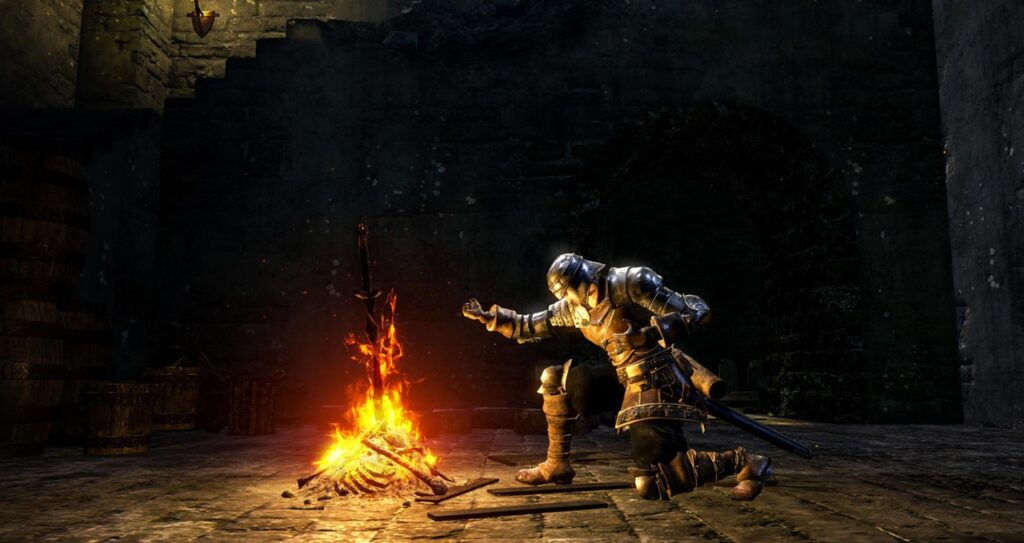
Fire in Dark Souls represents more than warmth or light—it symbolizes order, control, and dominance. As long as the flame burns, the gods retain their power and the world remains structured under their influence.
Yet, this power comes at a cost. The fading of the flame threatens the gods’ existence, creating fear of the coming Age of Dark. This fear drives many of the tragic decisions that shape the world, including Gwyn’s ultimate sacrifice to prolong the Age of Fire.
The Undead Curse and a World in Decay
One of the most visible consequences of the Cycle of Fire is the Undead Curse. As the flame weakens, the curse spreads, blurring the line between life and death. Undead beings rise endlessly, unable to truly die, slowly losing their sanity.
This curse reflects the unnatural state of the world. By refusing to let the Age of Fire end, the gods trap existence in a state of decay. The hollowed ruins, broken kingdoms, and mad inhabitants all serve as evidence of a cycle stretched far beyond its natural limit.
Linking the Fire: A False Salvation?
Throughout the series, players are guided toward a single goal: linking the fire. This act reignites the flame, temporarily restoring order and delaying darkness. On the surface, it appears heroic—a noble sacrifice to save the world.
However, deeper lore suggests that linking the fire is merely a temporary solution. Each cycle grows weaker, and the cost becomes greater. The world is not healed; it is merely prolonged in its suffering. This raises a haunting question: is linking the fire an act of hope or one of tragic obedience?
The Age of Dark and Humanity’s Role
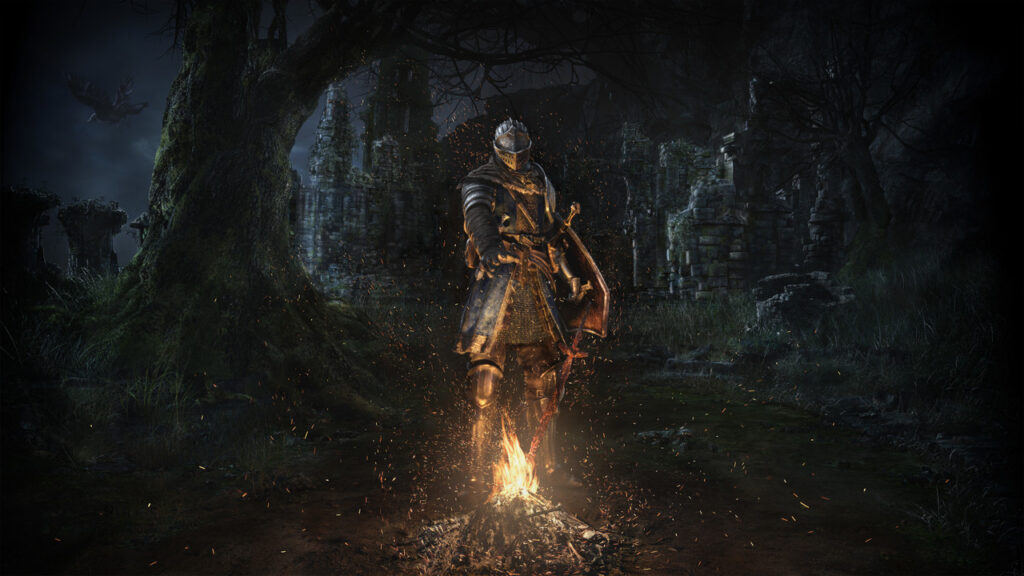
Opposing the Age of Fire is the Age of Dark, often misunderstood as pure evil. In reality, the Age of Dark represents humanity’s time to rise. Humans are beings of darkness, born from the Dark Soul, and their potential has been suppressed by the dominance of fire.
By clinging to the flame, the gods deny humanity its natural progression. The cycle becomes a tool of control, keeping the world locked in a state that benefits the few at the expense of the many. This perspective redefines the player’s role—not as a savior, but as a participant in a morally complex struggle.
A World Trapped in Repetition
The repetition of the Cycle of Fire gives Dark Souls its overwhelming sense of inevitability. Kingdoms rise and fall, heroes repeat the same choices, and history endlessly echoes itself. Even legendary figures like Gwyn and the Chosen Undead are caught in this loop.
This repetition mirrors the gameplay itself, where death and rebirth are constant. The world, like the player, is trapped in a cycle it cannot escape without making a painful and uncertain choice.
Player Choice and Philosophical Weight
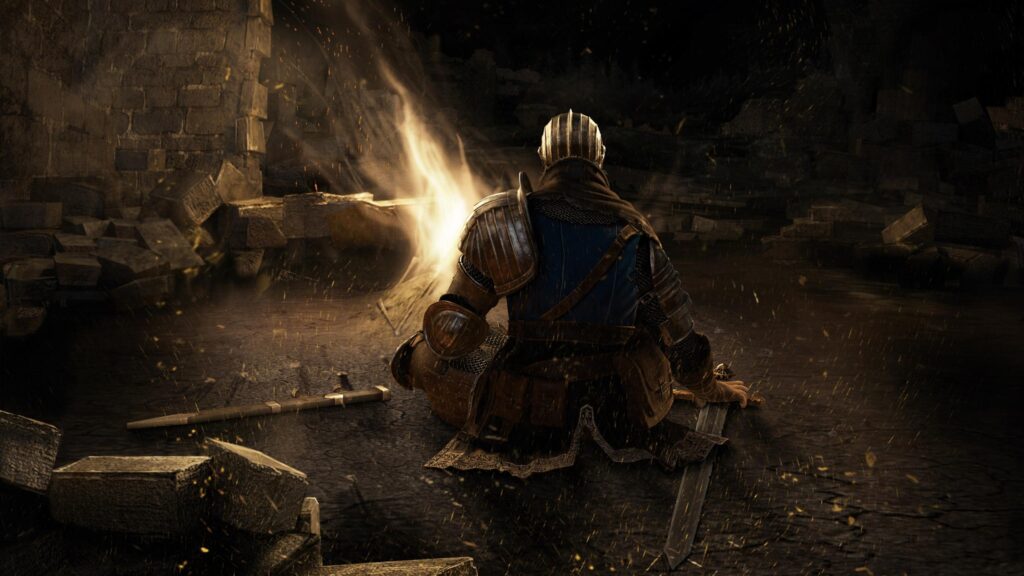
What makes the Cycle of Fire so powerful is that the game never tells players what the “correct” choice is. Whether to link the fire or walk away into darkness is left deliberately ambiguous.
This forces players to confront themes of sacrifice, stagnation, and change. Is preserving the familiar worth eternal suffering? Or is embracing the unknown necessary for true renewal? The lack of clear answers is what gives Dark Souls its lasting philosophical depth.
Final Thoughts
The Cycle of Fire shapes Dark Souls by defining its history, its decay, and its moral ambiguity. It transforms the world into a tragic place where every solution carries consequences, and every ending feels bittersweet.
👉 If the haunting philosophy and symbolism of Dark Souls have resonated with you, explore Dark Souls–inspired merchandise, collectibles, and apparel at: darksoulsmerch.co.uk. Carry a piece of this legendary world with you and honor a series that turned fire, darkness, and choice into unforgettable storytelling.
